Table of contents
- 1.The full process at a glance
- 2.Step 1: TDS & pH check
- 3.Step 2: Hardness test
- 4.Step 3: Bacteriological test (lab)
- 5.Step 4: Turbidity check
- 6.Step 5: Digital report
- 7.Step 6: Recommendations
- 8.Crew size and duration
- 9.Quality checks during the process
- 10.Handover and reporting
- 11.What goes wrong when steps are skipped
- 12.Get a free quote
- 13.Frequently asked questions
Quick answer
Professional water quality testing runs through a survey, then 1) tds & ph check, 2) hardness test, 3) bacteriological test (lab), 4) turbidity check, 5) digital report, 6) recommendations, and ends with a supervisor walk-through and a completion report. Each step is done in order and photographed before the crew moves to the next one.
Key takeaways
- Every step runs in a fixed order, not an ad-hoc sequence
- Photos at each stage are what turn a promise into proof
- A supervisor walk-through happens before handover, not after payment
- The report is kept for your records, audits or AGM
- Typical crew and duration: A typical overhead or underground tank of 1,000–10,000 litres is handled by a crew of 2–4 trained technicians and finishes in 2–4 hours including disinfection contact time.
- Skipping or reordering steps is how jobs go wrong — see below
The full process at a glance
Here's the order a proper water quality testing job follows, from first visit to handover:
- Site survey and planning
- TDS & pH check
- Hardness test
- Bacteriological test (lab)
- Turbidity check
- Digital report
- Recommendations
- Walk-through and handover
Step 1: TDS & pH check
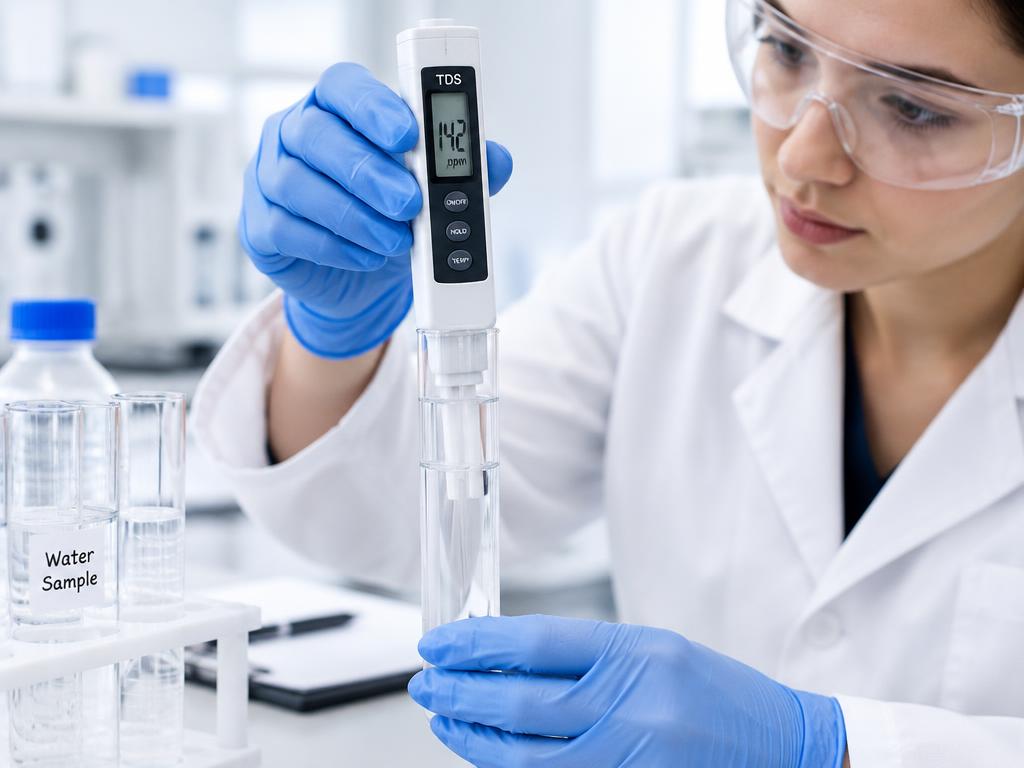
Our crew completes "tds & ph check" using the appropriate equipment — typically gas detector and ventilation blower for underground tanks — and the right safety gear for this step, before photographing the result and moving on.
This is usually the step that reveals the real condition of the site, which is why the earlier site survey matters — it sets expectations for what this step will actually involve.
Step 2: Hardness test
Our crew completes "hardness test" using the appropriate equipment — typically harness, gloves, gumboots and mask — and the right safety gear for this step, before photographing the result and moving on.
Getting this step wrong is one of the more common ways a rushed job falls short: a rushed or incomplete tank clean leaves sludge in corners and under inlet pipes, so algae and bacteria regrow within weeks.
Step 3: Bacteriological test (lab)
Our crew completes "bacteriological test (lab)" using the appropriate equipment — typically submersible dewatering pump — and the right safety gear for this step, before photographing the result and moving on.
Getting this step wrong is one of the more common ways a rushed job falls short: a rushed or incomplete tank clean leaves sludge in corners and under inlet pipes, so algae and bacteria regrow within weeks.
Step 4: Turbidity check
Our crew completes "turbidity check" using the appropriate equipment — typically sludge/slurry suction pump or vacuum extractor — and the right safety gear for this step, before photographing the result and moving on.
Getting this step wrong is one of the more common ways a rushed job falls short: a rushed or incomplete tank clean leaves sludge in corners and under inlet pipes, so algae and bacteria regrow within weeks.
Step 5: Digital report
Our crew completes "digital report" using the appropriate equipment — typically high-pressure jet washer — and the right safety gear for this step, before photographing the result and moving on.
Getting this step wrong is one of the more common ways a rushed job falls short: a rushed or incomplete tank clean leaves sludge in corners and under inlet pipes, so algae and bacteria regrow within weeks.
Step 6: Recommendations
Our crew completes "recommendations" using the appropriate equipment — typically soft and stiff nylon brushes (soft only for plastic tanks) — and the right safety gear for this step, before photographing the result and moving on.
Getting this step wrong is one of the more common ways a rushed job falls short: a rushed or incomplete tank clean leaves sludge in corners and under inlet pipes, so algae and bacteria regrow within weeks.
Crew size and duration
A typical overhead or underground tank of 1,000–10,000 litres is handled by a crew of 2–4 trained technicians and finishes in 2–4 hours including disinfection contact time. A society with multiple tanks, or a large commercial underground sump, can take a full day and needs a supervisor on site throughout.
Quality checks during the process
Our supervisor checks for these before marking any step complete:
- Water runs clear with no odour within a few hours of refill
- No sludge or residue remains when a torch is shone into the drained tank
- The completion report lists capacity, disinfectant and contact time
- A water test, if taken, shows safe TDS, pH and no bacterial contamination
- Pump choking and filter clogging reduce over the following weeks
Handover and reporting
The supervisor walks through the completed work with you, shares before/after photos and a written report, and agrees the next service date before the crew leaves.
What goes wrong when steps are skipped
A rushed or incomplete tank clean leaves sludge in corners and under inlet pipes, so algae and bacteria regrow within weeks. Skipping disinfection contact time means pathogens can survive even after the tank looks visually clean, and skipping the final rinse leaves chemical residue in drinking water. Both are common when a vendor is paid per visit with no written scope or inspection.
We see this play out often on water quality testing jobs in particular.
Need water quality testing?
Free site survey and fixed written quote. Rates from ₹500–₹2,500 per sample.
Available in Mumbai, Navi Mumbai, Thane, Panvel.
Frequently asked questions
Written and maintained by the Commercial Cleaning Mumbai team, based on hands-on water quality testing jobs across Mumbai, Navi Mumbai, Thane and Panvel. We review this page whenever our process, pricing or guidance changes, and the "updated" date above always reflects the last review.